Cryotherapy

Cryotherapy: Mole, Skin Tags, and Wart Removal

With the help of Freezpen, a cutting-edge CryoTherapy technique, unsightly skin lesions and other skin flaws can be eliminated quickly, accurately, and painlessly.

It offers the ideal treatment for unwelcome benign skin tags, moles, cherry angiomas, warts, and verrucae because it is controlled and painless and doesn’t require anaesthesia.

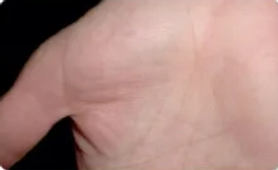
What Is Cryotherapy?

Removing Your Warts, Skin Tage & Moles Gently…

The Freezpen device is a breakthrough in cryotherapy. At -89°C, it releases a precise jet of nitrous oxide that enables your healthcare practitioner to work with micron accuracy.

The microscopic cold blast damages the tissue by freezing the intercellular fluid, generating ice shards and crystals, which shatter the cell membrane and kill the cell. This process moves in circular and crisscross patterns.

The Freezpen’s accuracy and ease of usage significantly limit collateral damage to healthy skin. The Freezpen also produces effective results right away, without the need for additional preparation or follow-up, thanks to its penetrating pressure

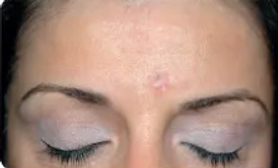
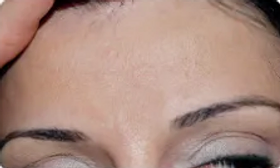
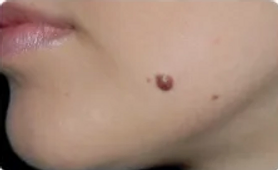
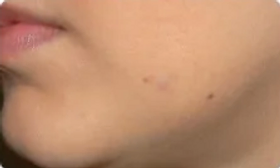
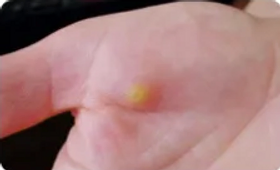
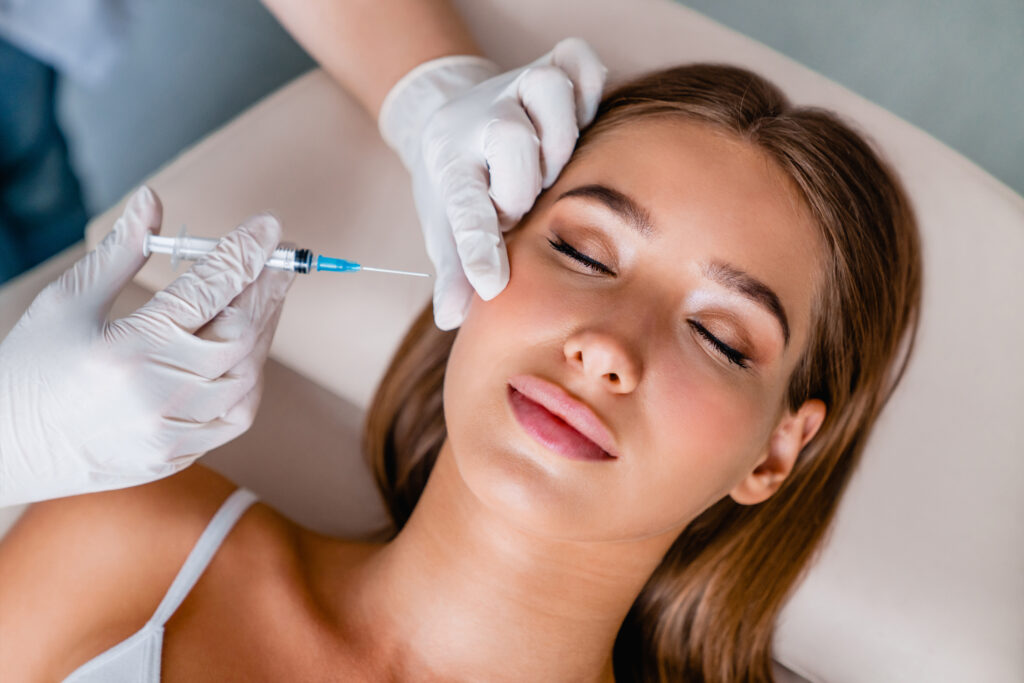
Before & Afters

Frequently Asked Questions

PRP treatment is a relatively quick procedure. The actual injection process takes around 30 minutes. However, you may need to come in for a consultation before the treatment and for a follow-up appointment after the treatment.

The results of PRP treatment can last for several months to years. However, the exact duration of the results will vary from person to person.

The recovery time for PRP treatment is generally very short. You may experience some mild bruising and swelling, but these symptoms should subside within a few days. You can resume your normal activities immediately after the treatment.

PRP stands for platelet-rich plasma, while PRF stands for platelet-rich fibrin. The main difference between the two is that PRF contains a higher concentration of fibrin, which is a protein that helps to clot blood. This makes PRF more effective for wound healing and other conditions that require the formation of scar tissue.

PRP treatment is generally considered to be a safe procedure. However, there are some risks associated with the treatment, such as bleeding and infection. It is important to talk to your provider about the risks of PRP treatment before you decide to have the treatment.

More Treatments